%2Ffit-in%2F250x250%2Fguide_websites%2F59281%2Fimages%2F1767846075813image11.png&w=1920&q=100)
/users/c34cbe83-0387-411f-9251-2718ee048039/ratecard/3-mk4wwpq1.jpg)
%2F300x300%2Fusers%2Fc34cbe83-0387-411f-9251-2718ee048039%2Fratecard%2F3-mk4wwpq1.jpg&w=256&q=75)
%2F300x300%2Fusers%2Fc34cbe83-0387-411f-9251-2718ee048039%2Fimages%2Flittle-tunny-west-palm-beach-2441.jpg&w=256&q=75)
%2F300x300%2Fusers%2Fc34cbe83-0387-411f-9251-2718ee048039%2Fimages%2Fanglers-fishing-florida-2467.jpeg&w=256&q=75)
%2F300x300%2Fusers%2Fc34cbe83-0387-411f-9251-2718ee048039%2Fimages%2Fbest-great-fishing-trip-fl-2472.jpg&w=256&q=75)
%2F300x300%2Fusers%2Fc34cbe83-0387-411f-9251-2718ee048039%2Fimages%2Ffantastic-fishing-trip-2492.jpg&w=256&q=75)
%2F300x300%2Fusers%2Fc34cbe83-0387-411f-9251-2718ee048039%2Fimages%2Ffive-anglers-fishing-west-palm-2626.jpg&w=256&q=75)
%2F300x300%2Fusers%2Fc34cbe83-0387-411f-9251-2718ee048039%2Fimages%2Fcoastal-fishing-west-palm-beach-2438.jpg&w=256&q=75)
%2F300x300%2Fusers%2Fc34cbe83-0387-411f-9251-2718ee048039%2Fimages%2Fbest-fishing-haul-west-palm-2552.jpg&w=256&q=75)
%2F300x300%2Fusers%2Fc34cbe83-0387-411f-9251-2718ee048039%2Fimages%2Ffishing-adventure-florida-2454.jpg&w=256&q=75)
%2F300x300%2Fusers%2Fc34cbe83-0387-411f-9251-2718ee048039%2Fimages%2Ffishing-west-palm-beach-2353.jpg&w=256&q=75)
%2F300x300%2Fusers%2Fc34cbe83-0387-411f-9251-2718ee048039%2Fimages%2Ffishing-west-palm-beach-2469.jpeg&w=256&q=75)
Deep Sea Fishing West Palm Beach Hook'N Up
 West Palm Beach
What you will be catching:
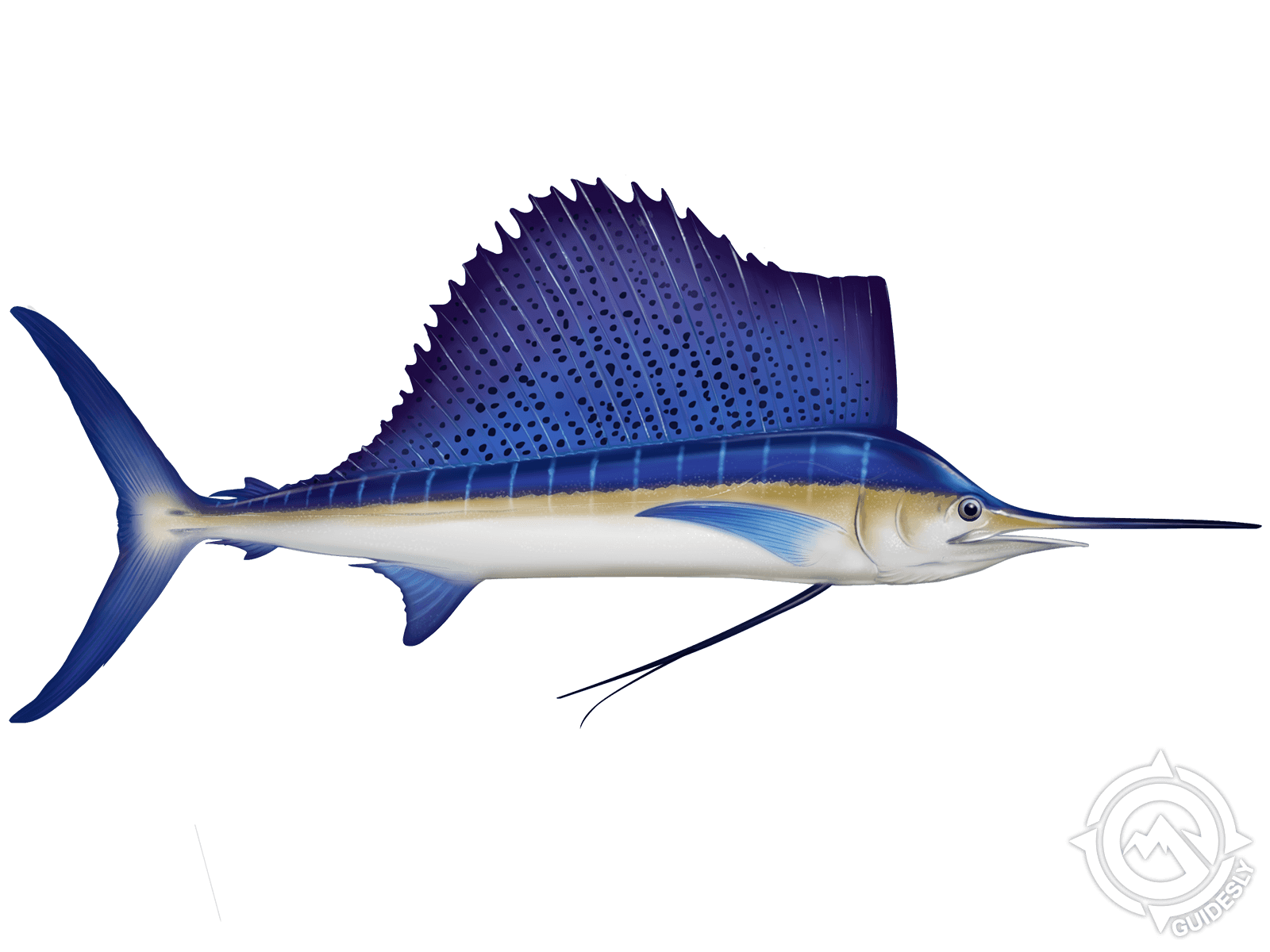
 Atlantic Sailfish
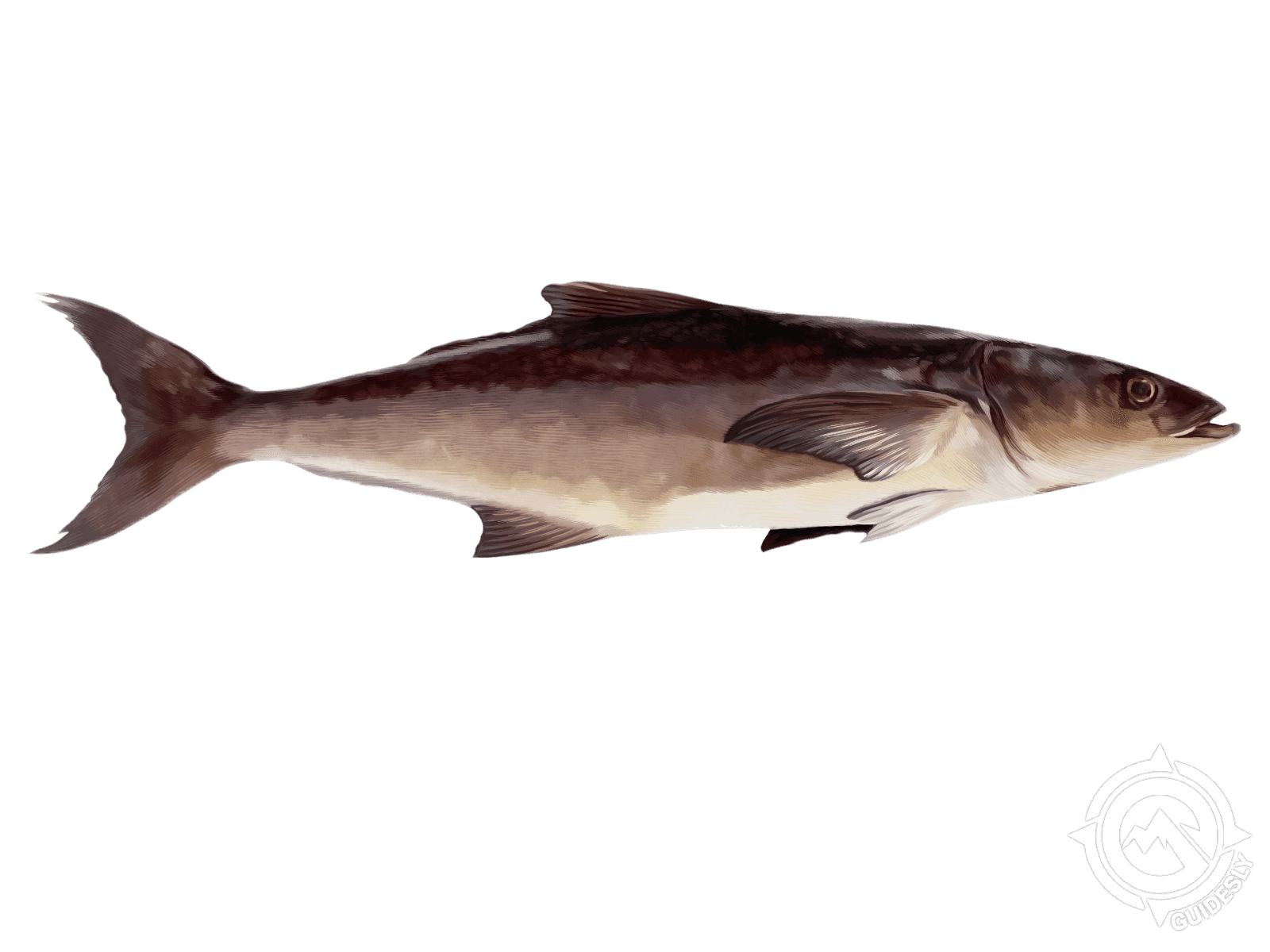
 Cobia
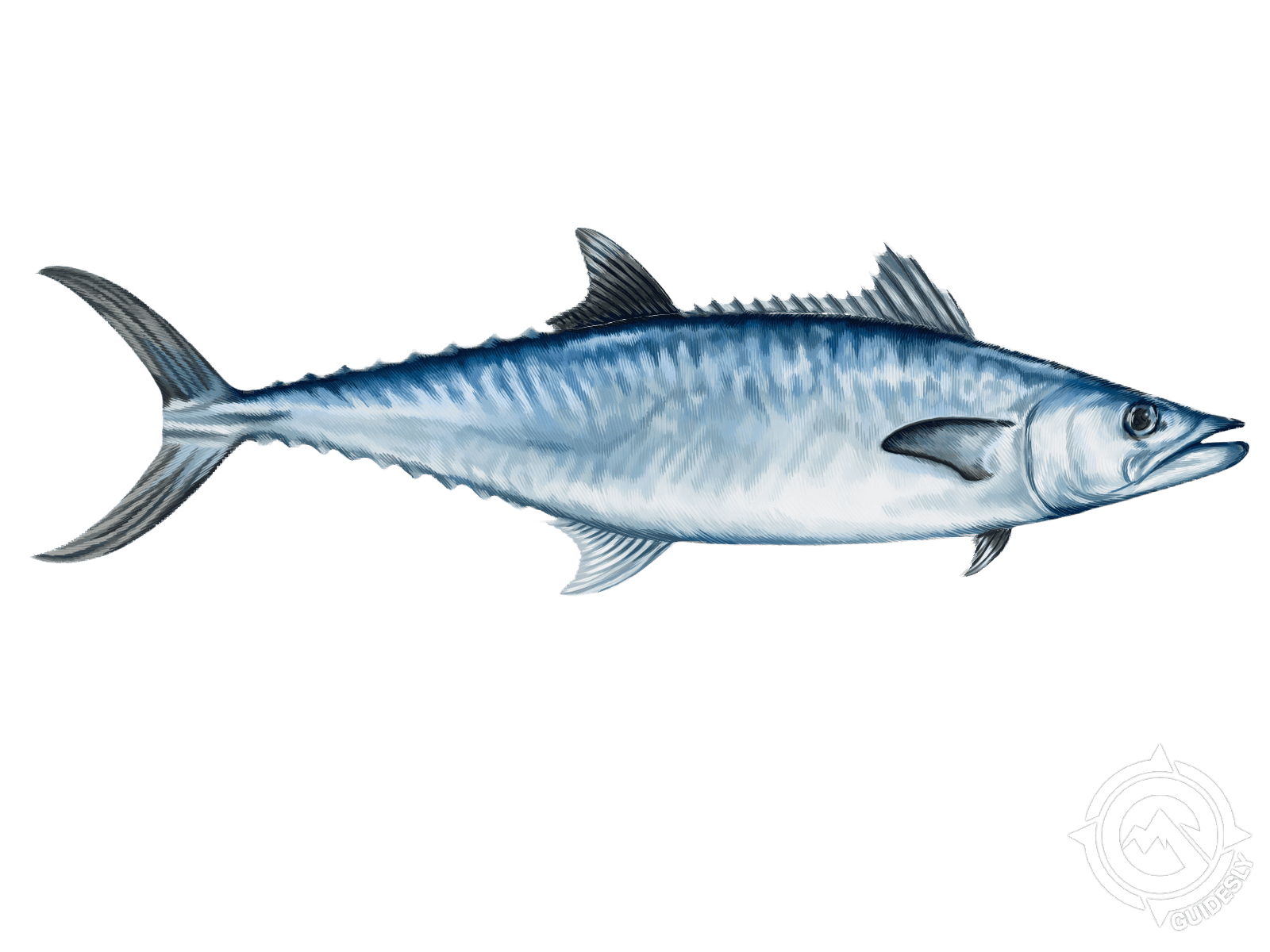
Cobia King Mackerel
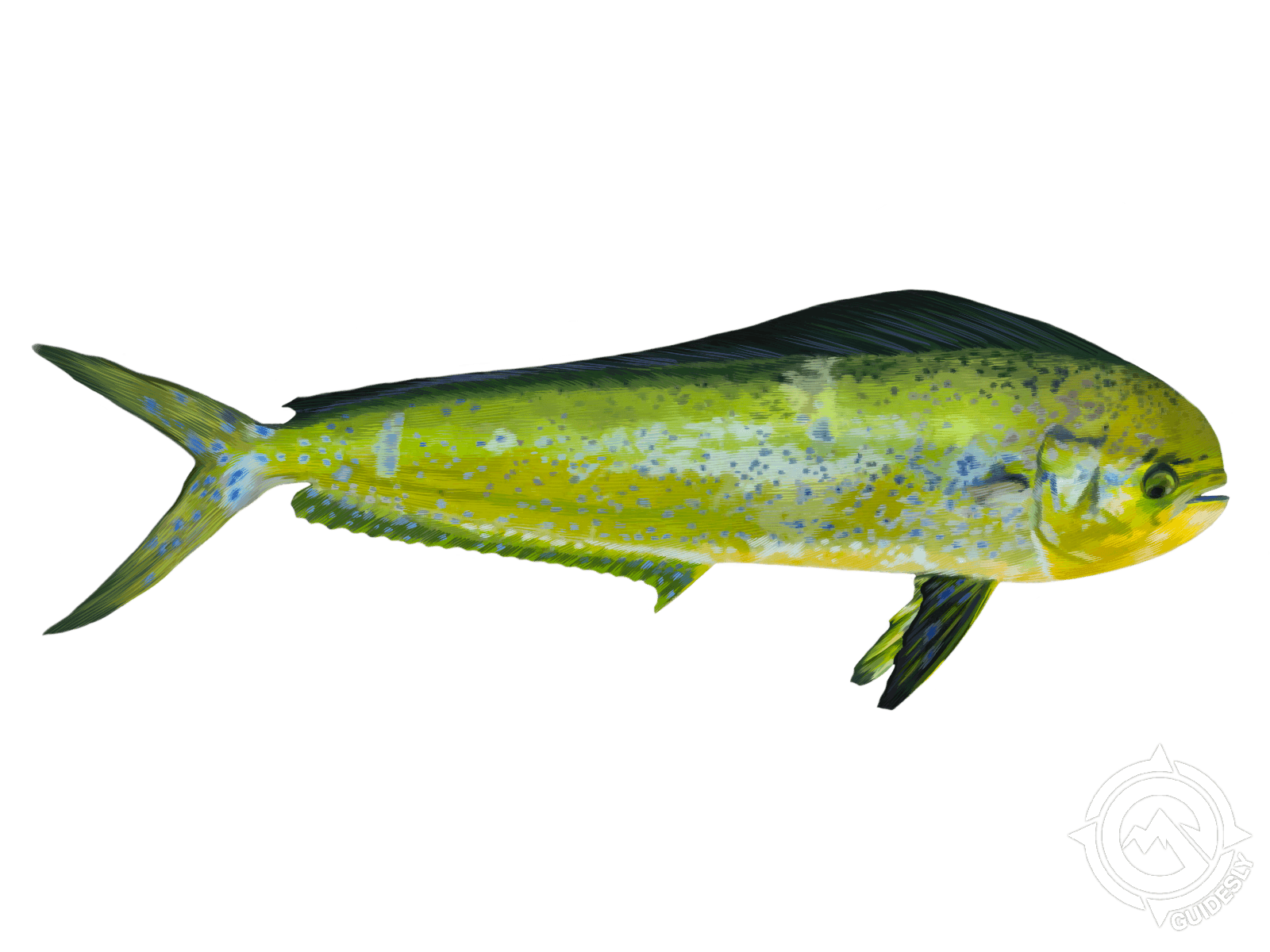
 Mahi Mahi or Common Dolphinfish
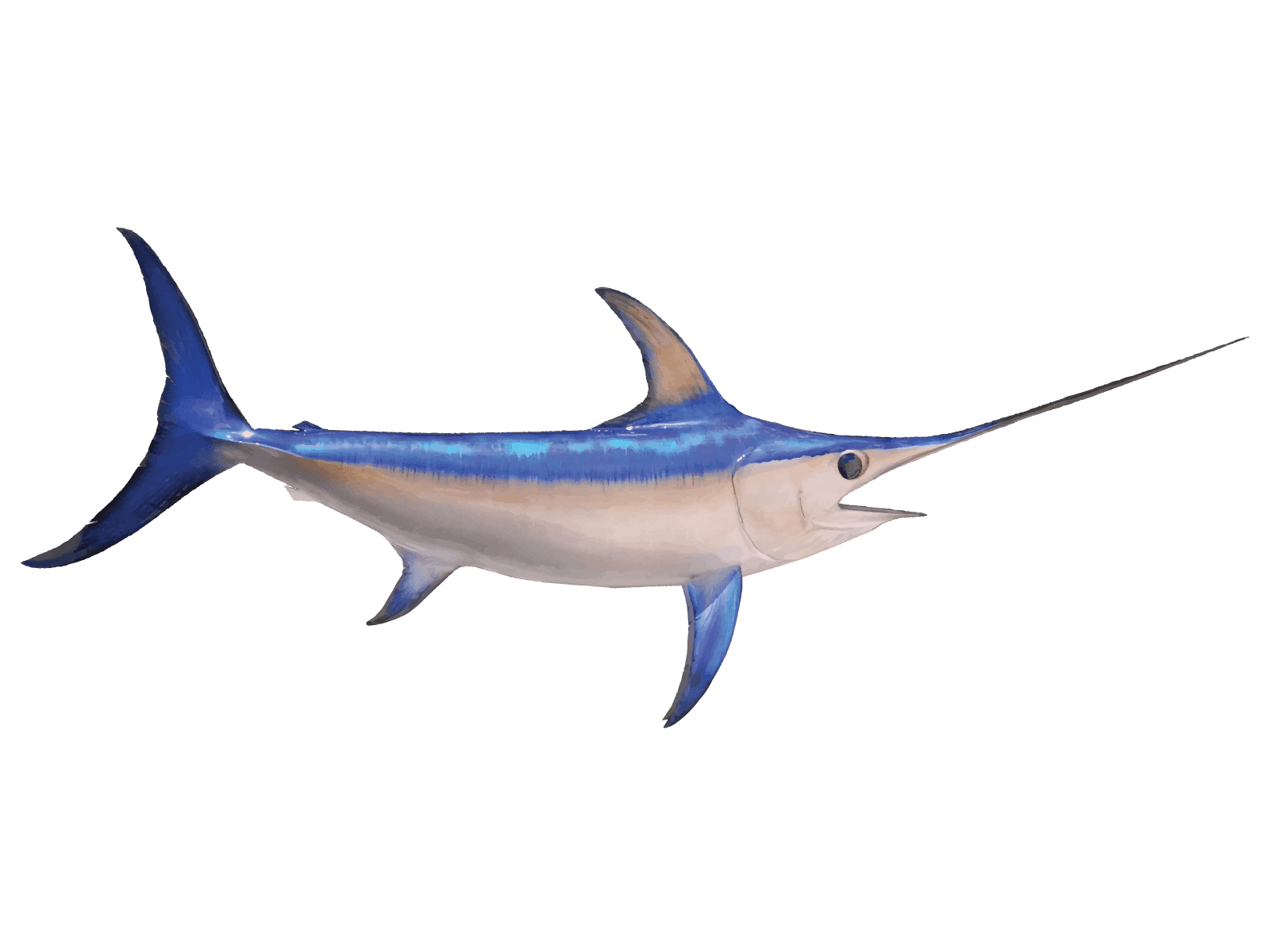
 Swordfish
- Five-hour private charter accommodates up to six guests maximum
- All equipment, tackle, snacks, drinks, and licenses included in price
- Professional captain provides mixed trolling and bottom fishing techniques
Trip Pricing and Availabilities:
West Palm Beach Deep Sea Fishing Charter
Looking for a solid offshore fishing experience that won't eat up your entire day? This five-hour deep sea charter out of West Palm Beach hits that sweet spot perfectly. You get enough time to reach the productive waters and put some serious fish in the boat without being gone from sunrise to sunset. Captain runs these trips as private charters only, so whether you're bringing the family, some fishing buddies, or you're new to the offshore scene, you'll have the boat to yourselves. We're talking about getting into 200-400 feet of water where the real action happens – that blue water zone where anything can show up on the end of your line.
What to Expect on the Water
The beauty of this charter is how the captain tailors everything to your crew. Got some first-timers aboard? No worries – he'll walk everyone through the basics and keep things simple but effective. Fishing with some seasoned anglers? Time to break out the advanced techniques and chase some trophy fish. The boat heads offshore to where the Continental Shelf drops off, creating that underwater highway where pelagic species cruise by. You'll spend most of your time in that gorgeous blue water that's 200-400 feet deep, where the water temperature stays consistent and baitfish congregate. The captain reads conditions daily and adjusts the game plan accordingly – some days call for working the weed lines, other days it's all about finding temperature breaks or working around structure.
Trolling & Bottom Techniques
This trip combines the best of both offshore worlds – trolling for the speed demons and dropping baits to the bottom for the heavyweights. Trolling setup includes a spread of lures and rigged ballyhoo that mimic fleeing baitfish. The boat maintains speeds between 6-8 knots, covering water efficiently while keeping lures in the strike zone. When fish are marking on the bottom machine, it's time to switch gears and drop live or cut baits down deep. Circle hooks are the standard here – they hook fish in the corner of the mouth and reduce gut-hooking, making catch and release more successful. All rods, reels, tackle, and lures come with the trip, plus snacks and drinks to keep everyone comfortable. Live bait is available at the marina if conditions call for it, and the crew handles all the rigging and re-baiting so you can focus on fighting fish.
Species You'll Want to Hook
Atlantic Sailfish are the crown jewel of South Florida offshore fishing, and West Palm Beach sits right in their migration highway. These acrobatic billfish average 6-8 feet long and put on aerial displays that'll have everyone on the boat cheering. Peak season runs from November through March when they're thick off the coast, often traveling in small groups. What makes sailfish special isn't just their jumping ability – it's the combination of speed, power, and grace. They'll make multiple jumps, strip line off the reel in long runs, and test every knot in your terminal tackle. Most captains practice catch and release with sails, making for great photos before sending them back to spawn.
King Mackerel patrol these waters year-round but really turn on during spring and fall months. These torpedo-shaped predators can reach 40-50 pounds and are known for their blistering initial runs that'll smoke a reel if the drag isn't set properly. Kings are structure-oriented, hanging around wrecks, reefs, and drop-offs where they ambush schools of baitfish. They're also excellent table fare, with firm white meat that's perfect for grilling or blackening. The key to consistently catching kings is using wire leader – their razor-sharp teeth will slice through mono or fluorocarbon in a heartbeat.
Mahi Mahi, or common dolphinfish, are the most colorful fish you'll encounter out there. These golden-green speedsters love floating debris, sargassum weed lines, and temperature breaks. They typically show up in spring and summer months, with peak action from April through July. What makes mahi special is their willingness to stay with the boat after you hook the first one – often the entire school will hang around if you keep one hooked in the water. They're incredible table fare and fight hard on medium tackle, making long runs and jumping clear of the water. Bulls can reach 30-40 pounds, while females typically run smaller but are just as aggressive.
Cobia are the brown sharks of the fishing world – they look prehistoric and fight like freight trains. These curious fish often cruise near the surface, following rays and sharks, which makes them perfect targets for sight fishing. Spring migration brings schools of cobia through West Palm Beach waters, typically from March through May. They'll eat live crabs, eels, and large jigs, often following baits right to the boat before striking. Cobia can exceed 50 pounds and are known for their dogged, straight-down fights that test your back muscles and tackle equally.
Swordfish represent the holy grail of offshore fishing. These deep-water gladiators come up to feed at night and during twilight hours, making them a specialty target requiring specific techniques and tackle. Daytime swordfishing has gained popularity, involving deep-dropping baits 1,500+ feet down where swords rest during daylight hours. These prehistoric predators can exceed 200 pounds and are capable of fights lasting several hours. Landing a swordfish requires heavy tackle, electric reels, and serious commitment – but the payoff is a fish of a lifetime and some of the best eating in the ocean.
Time to Book Your Spot
Five hours offshore gives you the perfect taste of what South Florida deep sea fishing is all about. You'll have enough time to try multiple techniques, cover good water, and hopefully put some quality fish in the cooler. The private charter setup means you're not dealing with crowds or strangers – just you, your group, and a captain who knows these waters inside and out. With all gear included and catch cleaning provided afterward, all you need to
Learn more about the species
Atlantic Sailfish
These impressive billfish are one of the most sought-after game fish off West Palm Beach, averaging 7-8 feet and 50 pounds. You'll find them in 30-150 feet of water, often near current breaks and temperature changes. Winter through spring offers the best action when they migrate through our area following baitfish. What makes them special is that famous sail - they'll light it up like a neon sign when hooked, then put on an aerial show with multiple jumps. They're incredibly fast swimmers, hitting trolled ballyhoo at 30+ mph. The meat is decent eating, but most folks prefer the photo and release. Here's a local tip: when you hook one, keep steady pressure but don't horse it - let them tire themselves out with those spectacular leaps, and you'll land more fish.
Cobia
Cobia are the bruisers of the offshore world, averaging 30-60 pounds and fighting like freight trains. These chocolate-brown fish cruise alone around wrecks, reefs, and floating debris in 30-100 feet of water. Spring migration from March to May is prime time when they're moving north to spawn. What makes them special is they're sight fishing targets - you'll actually see them swimming near the surface looking like small sharks. The meat is outstanding, firm and white like grouper. They're curious fish that will follow boats and baits, but they're also spooky and smart. When you spot one, cast a bucktail jig or live crab well ahead of where they're swimming, not right on their head. Let it sink and work it slowly - cobia prefer their meals moving along the bottom where they naturally feed.
King Mackerel
Kings are the speed demons of our waters, commonly running 20-40 pounds with bigger fish hitting 50+ pounds. We find them trolling the 40-150 foot range, especially around structure and current edges. Fall through spring is prime time when they move through following bait schools. What guests love is their blistering runs - they'll scream line off your reel faster than almost anything else we target. The meat is excellent grilled or blackened, though larger fish can have stronger flavor. Kings are aggressive biters but smart too - they'll often bite the tail of your bait first. My go-to tip is rigging with a stinger hook about six inches behind your main hook when using live bait. This catches those tail-biters that would otherwise just steal your bait.
Mahi Mahi or Common Dolphinfish
Mahi are the most colorful fish we catch, flashing brilliant golds, greens, and blues that change like a light show when they're hooked. They average 15-30 pounds and are found around floating debris, weed lines, and current breaks in deeper water. Spring through fall is best, especially when water temps hit the mid-70s. Guests love them because they're aggressive feeders, great fighters that jump and make long runs, plus they're some of the best eating fish in the ocean - sweet, firm white meat that's perfect for grilling. They often travel in schools, so when you find one, there's usually more nearby. Pro tip: once you hook your first mahi, leave one in the water while you cast to the others circling the boat - they're curious fish and will stick around to check out their hooked buddy.
Swordfish
Swords are the ultimate deep-water challenge, averaging 100-200 pounds but capable of reaching 400+ pounds. We target them in 1,200-2,000 feet of water where they hunt squid and baitfish. Night fishing from April through September produces best results when they come up to feed in the top 300 feet. What draws serious anglers is the sheer power - these fish make incredibly long runs and brutal deep dives. The meat is premium table fare with that distinctive meaty texture perfect for steaks. Swordfishing requires patience since it's often hours between bites, but when it happens, you know it. The key is using bright lights to attract squid, which draws the swords up. My best advice: use a 15-pound weight to get your bait down, and rig with squid or barracuda chunks on a 10/0 circle hook - they have huge mouths and aren't shy about using them.
About the Hook'N Up Fishing Charter
%2F%2Fusers%2Fc34cbe83-0387-411f-9251-2718ee048039%2Fvehicle_picture%2Fimage12-mk3u9jwm.png&w=1920&q=75)
Vehicle Guest Capacity: 6
Manufacturer Name: Caterpillar C8
Maximum Cruising Speed: 25
Number of Engines: 2
Horsepower per Engine: 750